
• Transporte aéreo

    Rapidez y control en cada envío

Maritime transport

When shipping by sea in a container, it’s important to choose the size and type of container that best suits the characteristics of your cargo. Whether it’s a full container load or a smaller shipment, consider the options available to you when loading your goods. Below, we present options that may be suitable depending on the dimensions of the pallets, whether the goods are refrigerated, oversized, or require special protection, etc.
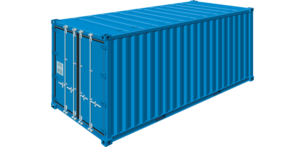
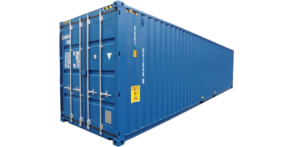
Dry Van

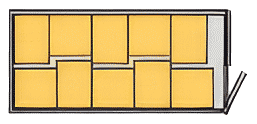
10 American pallets*
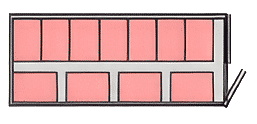
11 European pallets*

Standard interior dimensions (mm) Door opening (mm)
Size Length Width Height Width Height
20 5.902 2.330 2.392 2.341 2.280
40 12.032 2.330 2.390 2.338 2.280

High Cube (HQ)

21 American Pallets*
25 European pallets*

Standard interior dimensions (mm) Door opening (mm)
Size Length Width Height Width Height
40 12.033 2.330 2.696 2.338 2.585

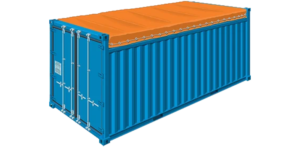
Open Top

Within the range (IG)
With extra height (OOG)

Standard interior dimensions (mm) Door opening (mm)
Size Length Width Height Width Height
20 5.894 2.344 2.347 2.336 2.275
40 12.027 2.344 2.347 2.336 2.275

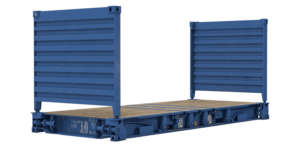
Flat Rack

Non collapsible / Fixed end Flat Rack
Collapsible / Folding Flat Rack

Standard interior dimensions (mm)
Size Length Width Height
20 5.988 2.398 2.231
40 12.064 2.369 1.943

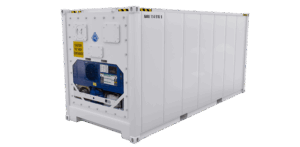
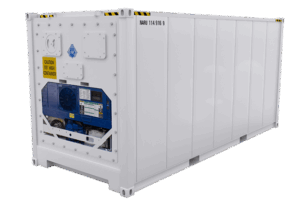
Reefer

10 American pallets*
20 European pallets*

Standard interior dimensions (mm) Door opening (mm)
Size Length Width Height Width Height
20 5.460 2.240 2.225 2.240 2.180
40 11.550 2.250 2.215 2.250 2.160

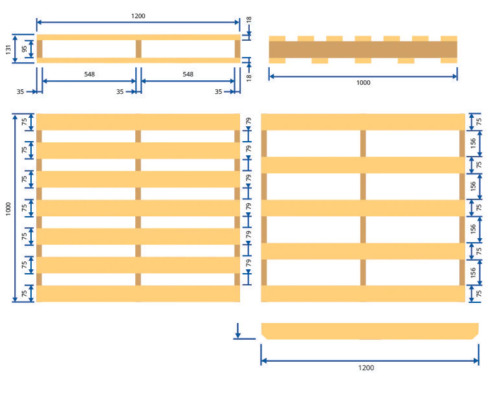
American pallet: 1,2 x 1,0m

European pallet: 1,2 x 0,8m

How to calculate how many pallets fit in a container

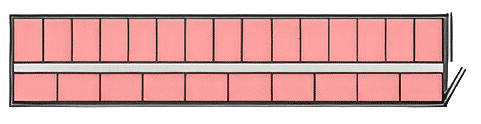
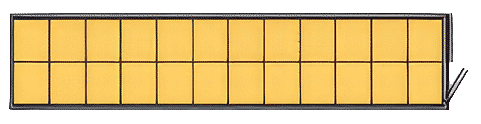
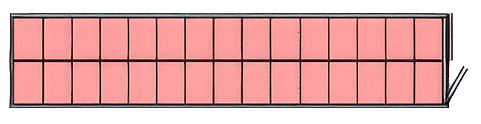
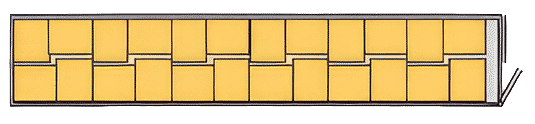
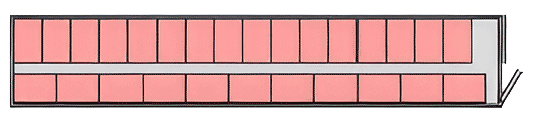
Container Number of pallets Layout
20′

STANDARD

10 American pallets
1,2 x 1,0m
11 European pallets
1,2 x 0,8m
40′

STANDARD

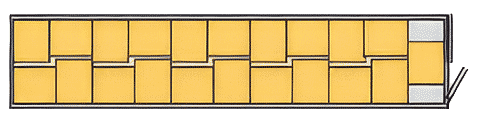
21 American pallets
1,2 x 1,0m
25 European pallets
1,2 x 0,8m
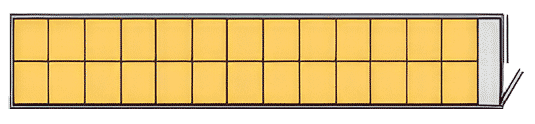
40′

PALLETWIDE

24 American pallets
1,2 x 1,0m
30 European pallets
1,2 x 0,8m
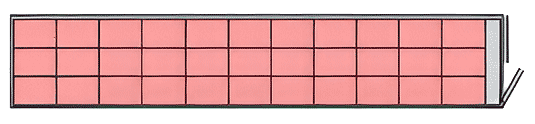
45′

STANDARD

24 American pallets
1,2 x 1,0m
27 European pallets
1,2 x 0,8m
45′

PALLETWIDE

26 American pallets
1,2 x 1,0m
33 European pallets
1,2 x 0,8m

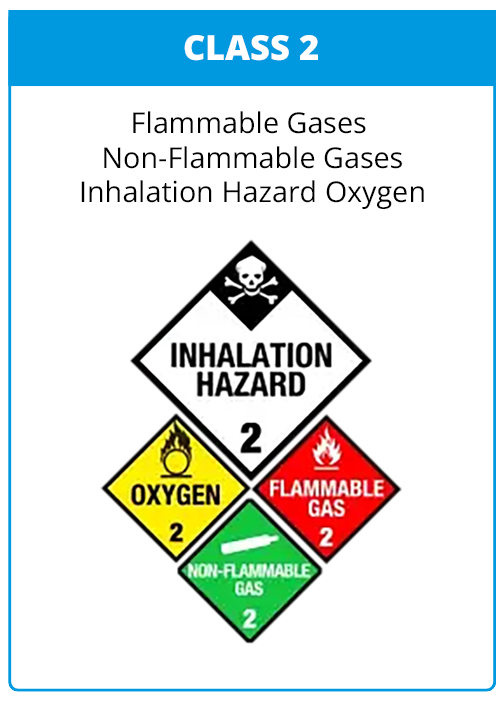
International Maritime Dangerous Goods Code (IMDG)

The IMO Classification of Dangerous Goods, also known as the IMDG Code (International Maritime Dangerous Goods Code), is a set of international regulations established by the International Maritime Organization (IMO) for the safe transport of dangerous goods by sea.

Its primary purpose is to prevent accidents and damage that may occur during the transport of these goods, thereby protecting human life, the environment, and property.

The IMDG Code establishes strict criteria for the classification, labeling, packaging, stowage, handling, and transport of a wide range of hazardous materials.
Air transport

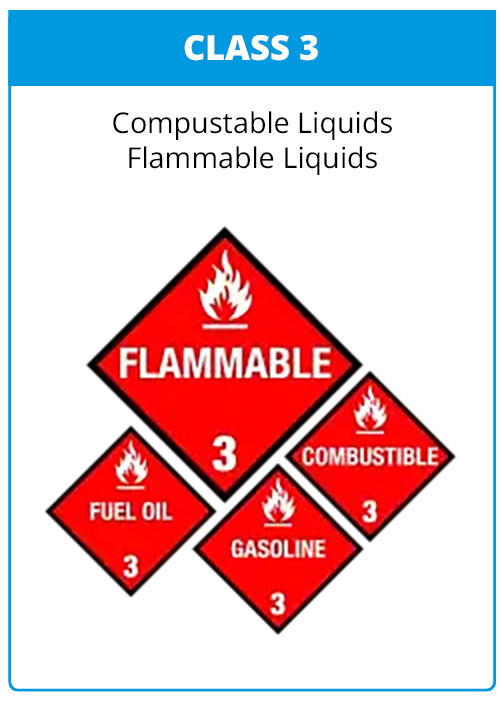
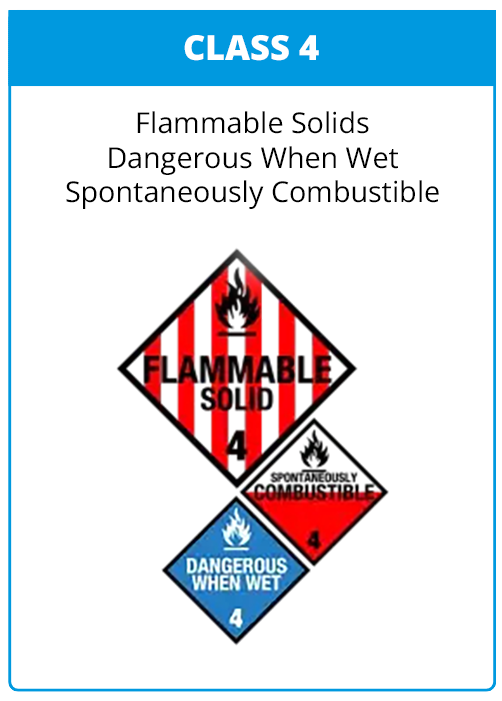
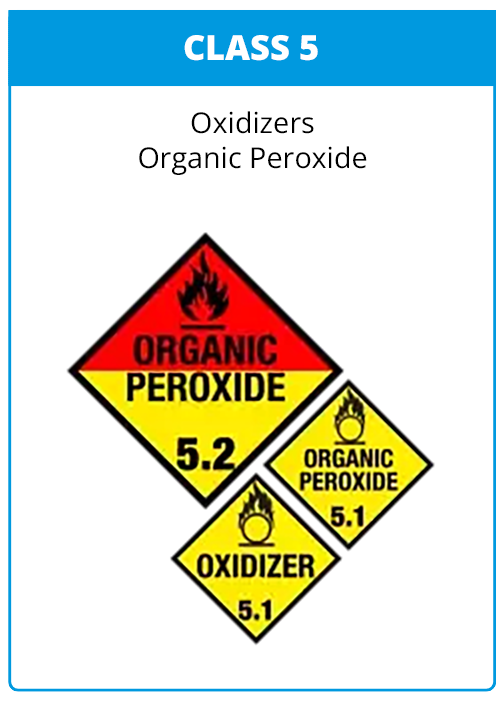
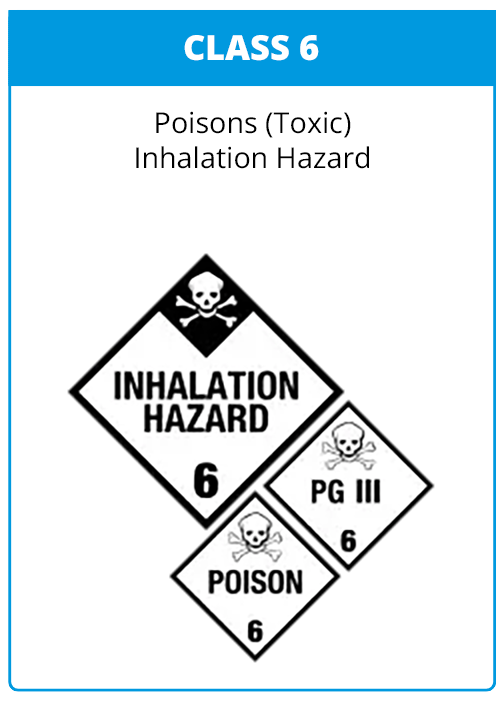
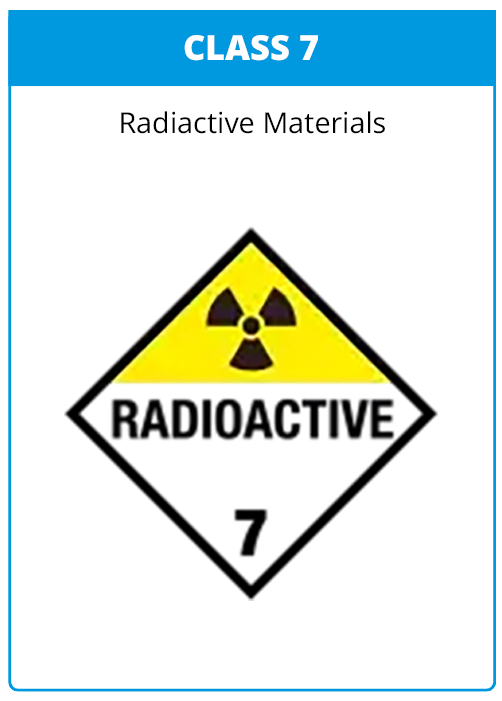
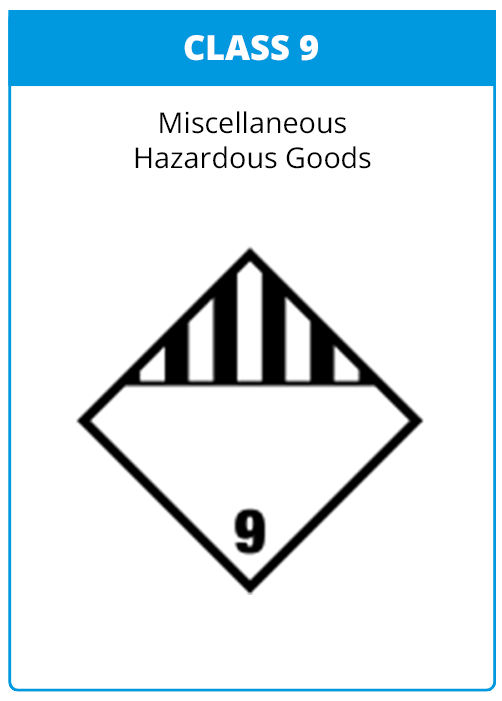
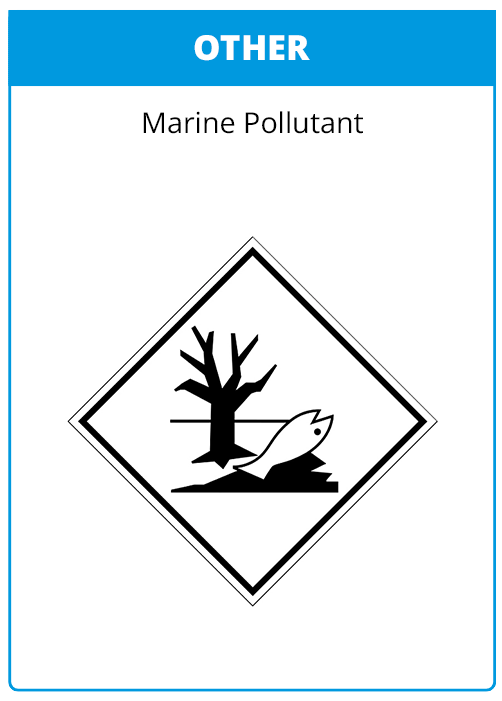
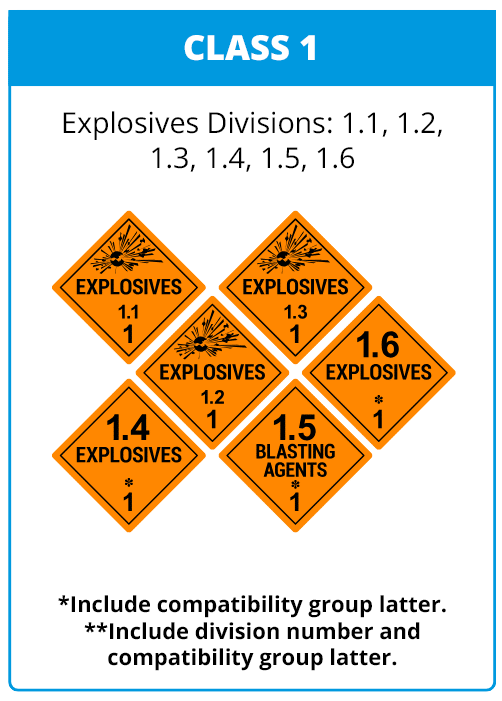
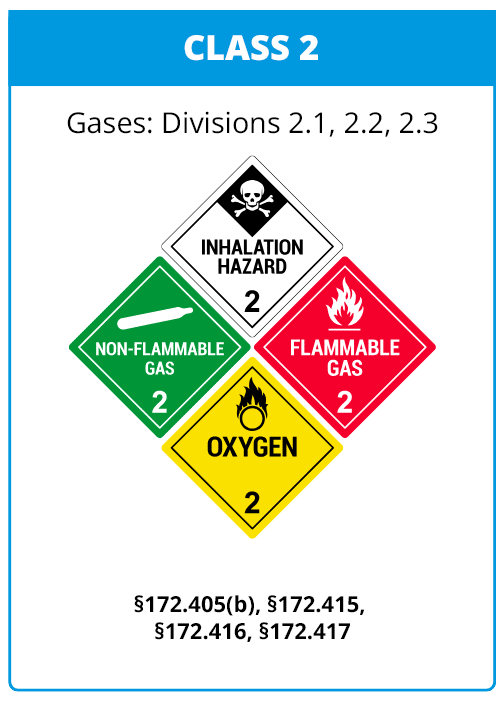
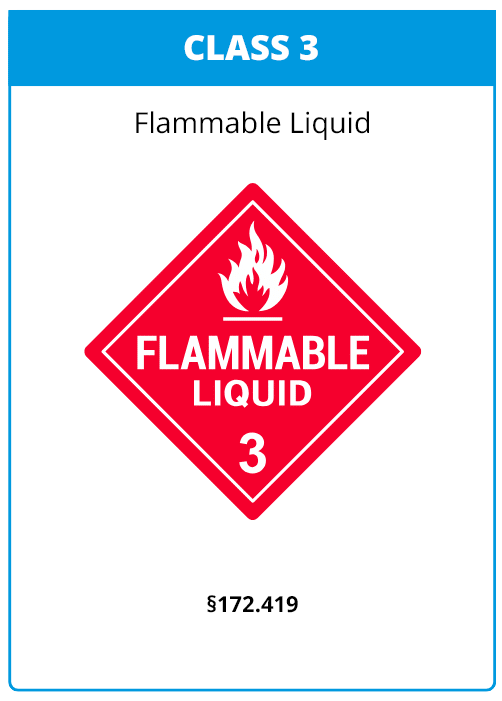
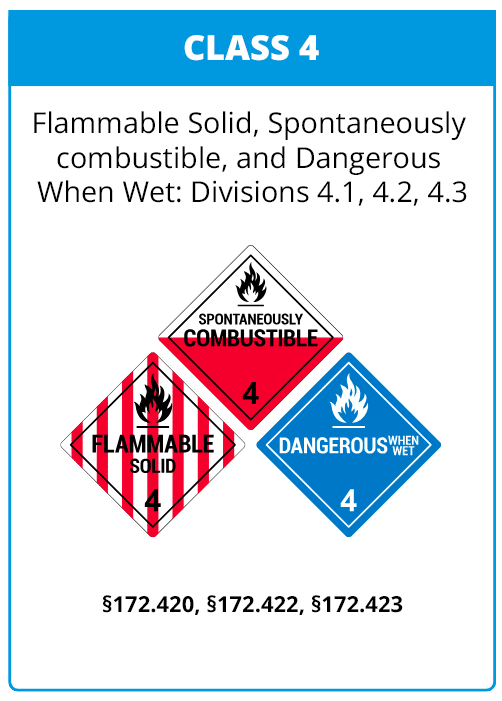
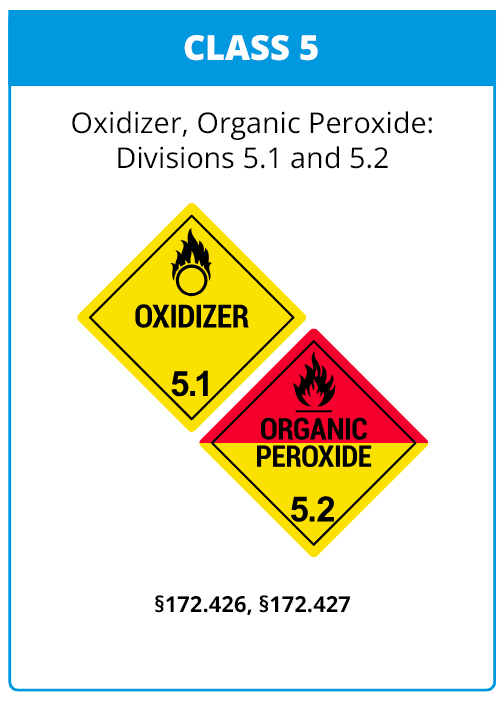
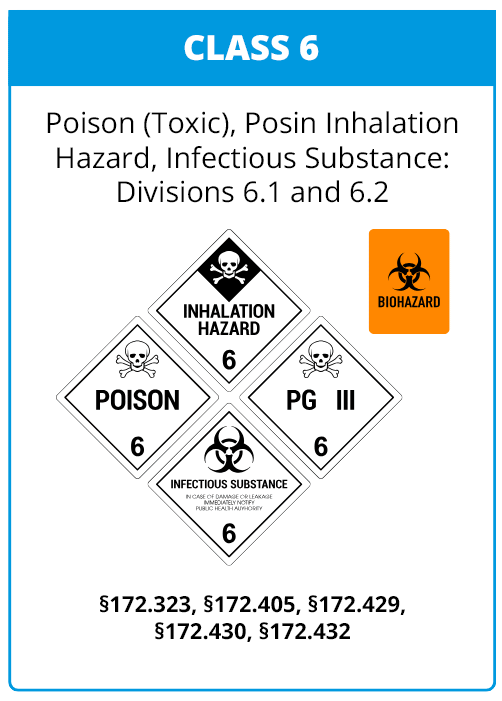
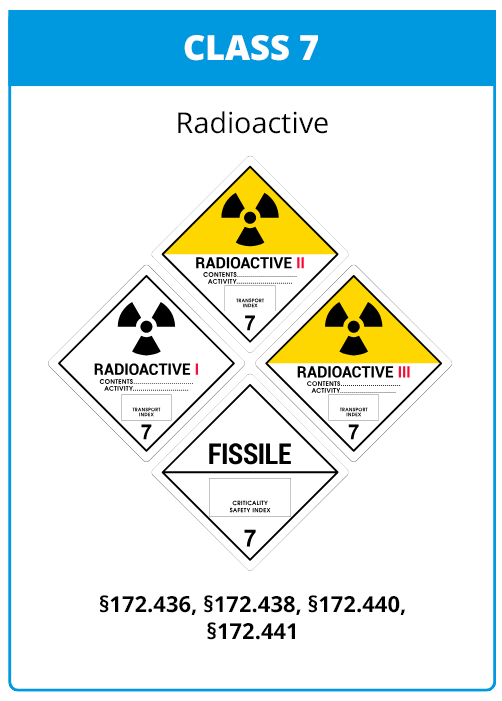
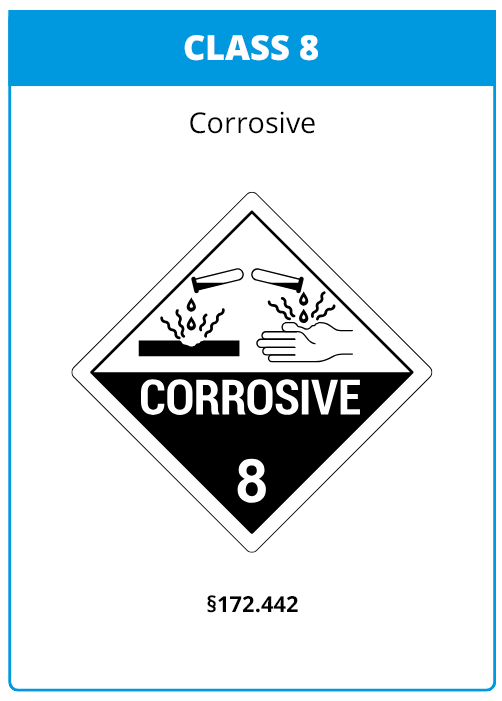
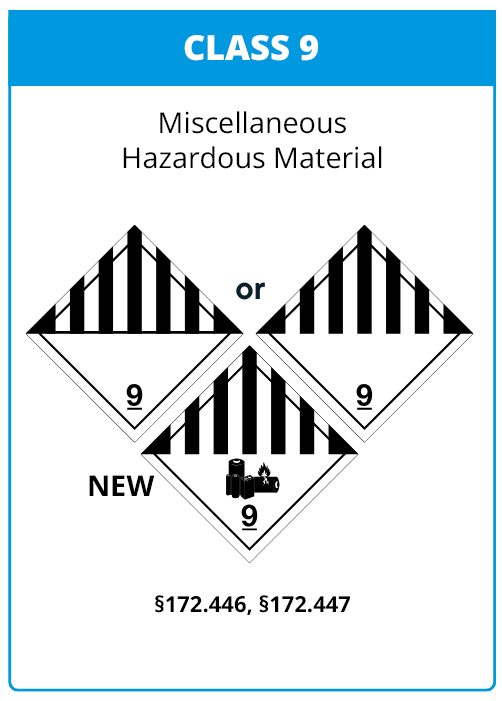
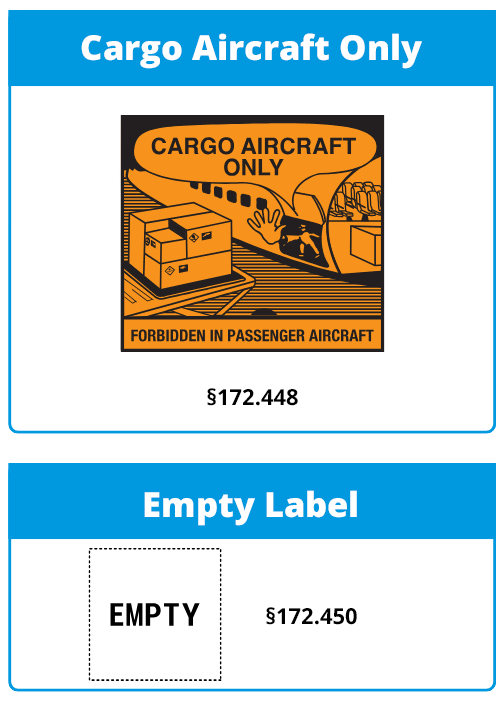
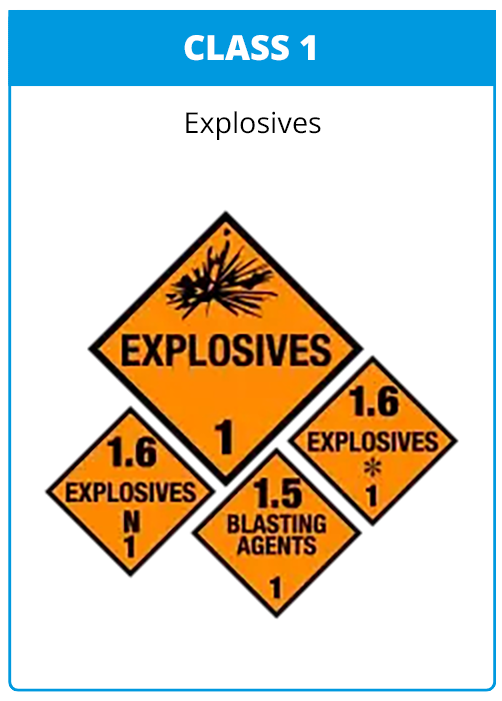
IATA hazardous materials warning labels

It is important that shipping documentation is accurate when shipping dangerous goods; furthermore, it is key to ensuring your shipment proceeds smoothly. When shipping dangerous goods, we make sure all hazardous items are declared on your air waybill and commercial invoice under “Item Description.” Any errors in this documentation can cause significant delays at customs.

Most shipments of dangerous goods require a hazard label identifying the danger posed by the package, and a UN number identifying the type of dangerous goods in the shipment. Potential hazards are typically identified in the Safety Data Sheet (SDS), also known as the Material Safety Data Sheet (MSDS). If you are shipping aerosols, batteries, or fragile packaging, your shipment will also require additional stickers and labels to indicate this on the box. All hazard labels must be clear and easily visible to anyone.

International commercial terms – Incoterms

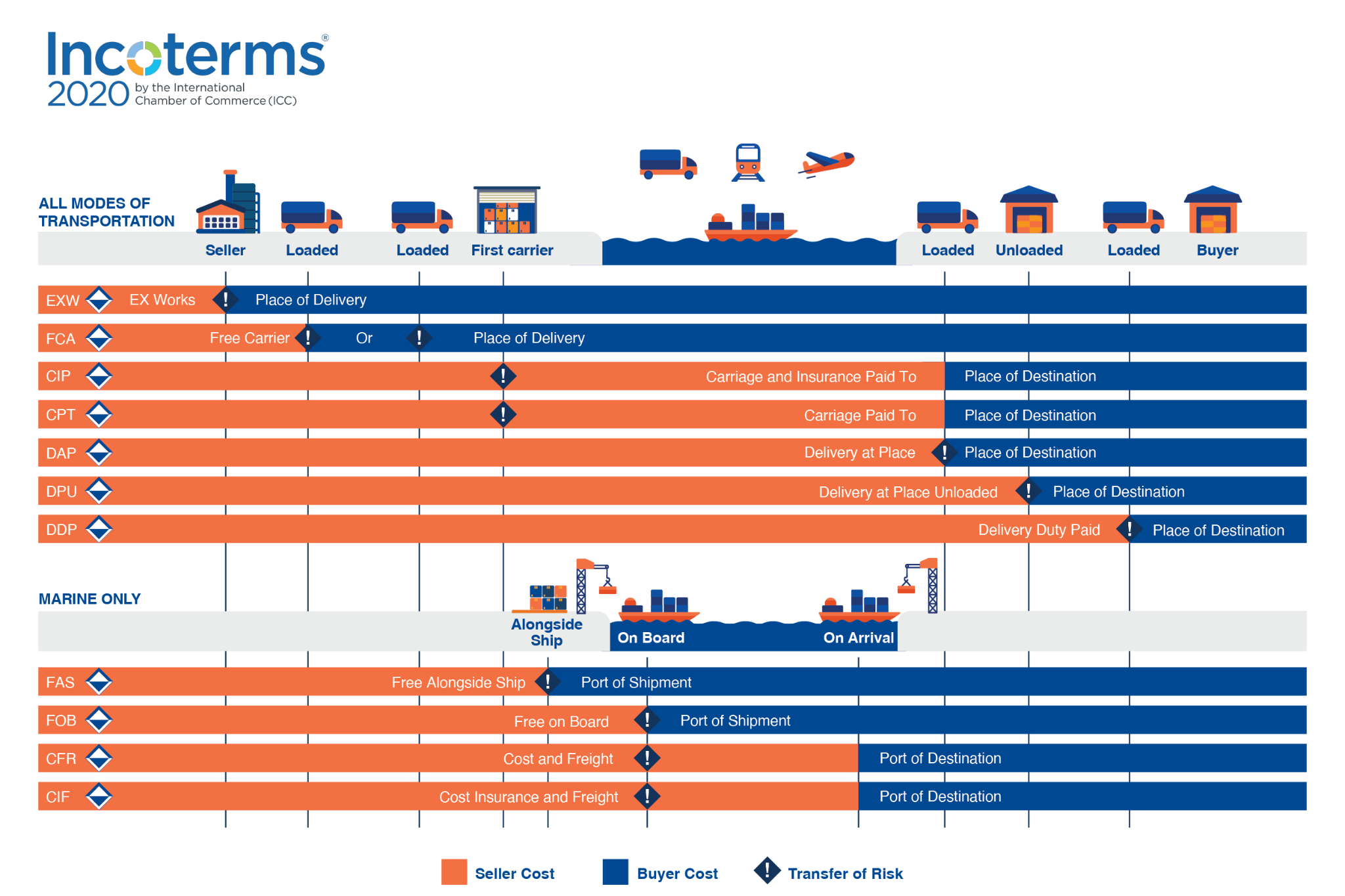
INCOTERMS 2020: Point of delivery and transfer of risk

Special packaging

Perishable freights

For the transport of perishable goods, we offer various types of packaging to handle both refrigerated and frozen cargo, ensuring the product arrives in perfect condition.

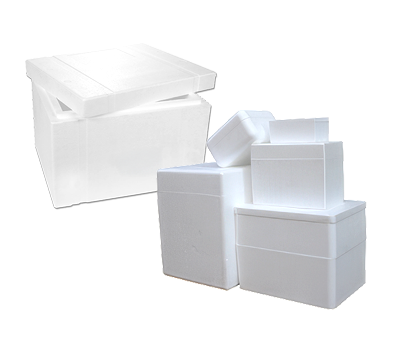
Thermo boxes / Thermoboxes

We offer Styrofoam boxes in various sizes. They can hold both refrigerated and frozen products. These boxes are compatible with dry ice.

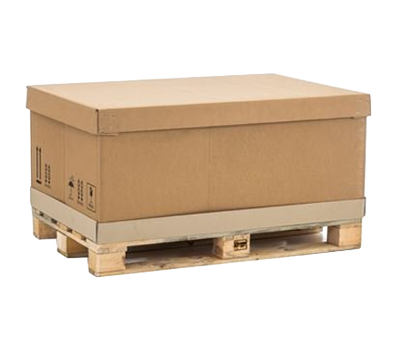
Thermal pallets / Thermobox

These are double-walled cardboard boxes lined on all internal surfaces with Porexpan to help maintain the product’s temperature and prevent the cardboard from getting wet. Both refrigerated and frozen cargo can be shipped in these pallets. They accommodate the use of dry ice and are ideal for transporting cargo whose destination requires the shipment to be sealed.

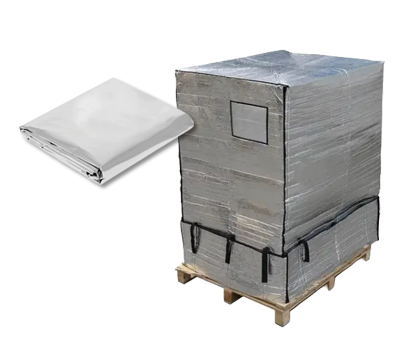
Thermal blankets / Covers

These are covers that wrap around the pallet and help maintain the temperature. They are widely used in wine shipping.

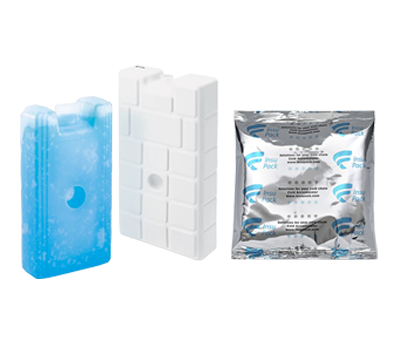
Rigid / Flexible / Gel pack ice packs

As many units as needed are placed inside the boxes or thermoboxes.

Dry ice / carbon dioxide snow / carbon dioxide

What we commonly call dry ice is the solid form of carbon dioxide (CO2).

It is a product that helps maintain temperature. It is mainly used with frozen cargo. This product leaves no moisture residue; it changes from a solid to a gas. As it is consumed, it evaporates.
It is considered a hazardous material and must therefore be declared on the air waybill, and the packages must be labelled. When loading it into the aircraft hold, it is incompatible with other cargo such as animals or plants, as it displaces oxygen.

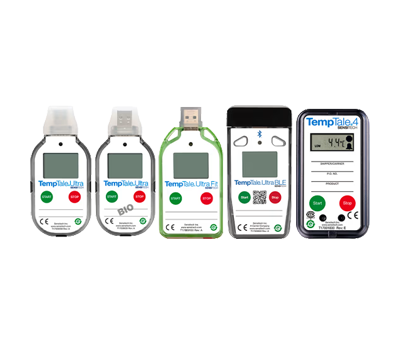
Thermographs

We use thermographs to monitor the temperature during the transport of temperature-sensitive cargo.
They are used in both the food and pharmaceutical industries.
There are several types; they are activated when the goods are loaded, and all information is recorded throughout the entire journey.

Wine Logistics and spirits:

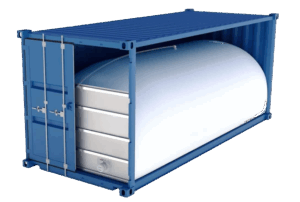
Whether palletized or in bulk, we guarantee maximum protection for the wine thanks to the specialized equipment in our containers.

FLEXITANKS

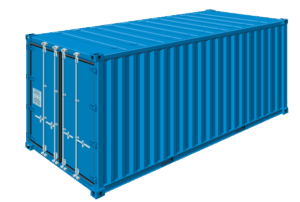
DRY CONTAINER

REEFER CONTAINER

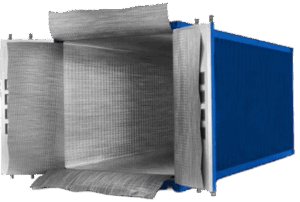
THERMAL LINER EQUIPPED DRY CONTAINERS

Contact us

If you have any questions or concerns, we encourage you to fill out our form and we will get back to you as soon as possible.

Barcelona

Avda de les Garrigues, 13-15
POL IND Mas Blau II
08820 El Prat de Llobregat – Barcelona
T. +34 91 001 62 90

Madrid

Avenida de Castilla nº2, Edificio Hungría
Planta baja, OFICINA 1
28830 San Fernando de Henares
Madrid – MAD AIRPORT
T. +34 91 001 62 90

Almería

Muelle de Ribera Poniente, S/N
04002 Almería
T. +34 91 001 62 90

This contact form is deactivated because you refused to accept Google reCaptcha service which is necessary to validate any messages sent by the form.

Certificates that endorse our quality

RONER LOGISTICS is part of